Introduction
Over the past decade, health and wellness have become central concerns for individuals seeking to manage the demands of modern life. With longer work hours, increased stress, and an emphasis on personalized care, the way people access wellness services has evolved. One of the most notable developments is the rise of in-home massage therapy services, which allow clients to receive professional treatments in the comfort of their own homes. Once the domain of luxury spas or medical clinics, massage therapy is now widely accessible through digital platforms, making relaxation and therapeutic care more convenient than ever.
Why In-Home Massage Therapy Matters
Stress Reduction in Familiar Spaces
The pressures of daily life, especially in urban environments, contribute to chronic stress. The American Psychological Association has identified workplace stress as a significant health issue in the 21st century, with implications for both mental and physical well-being. Massage therapy has been shown to lower cortisol levels—the body’s primary stress hormone—while increasing serotonin and dopamine, which promote relaxation and a sense of well-being [2]. Receiving massage therapy at home can enhance these effects, as familiar surroundings and the absence of travel help maximize relaxation. The convenience of remaining at home before and after a session further amplifies the restorative benefits [1].
Musculoskeletal Relief
Modern lifestyles, particularly those involving extensive computer use, often result in back pain, neck stiffness, and repetitive strain injuries. The Mayo Clinic and other health authorities highlight massage therapy as an evidence-based approach for improving circulation, reducing muscle tension, and alleviating chronic pain symptoms. At-home sessions allow clients to address these issues without the added strain of travel, making regular therapy more feasible [3].
Personalization and Privacy
Unlike traditional spa settings, in-home massage therapy offers a high degree of personalization. Clients can choose from a variety of modalities, set session lengths, and select therapists based on credentials and specialties. Privacy is another significant advantage—the home environment provides a level of comfort and discretion that is difficult to replicate elsewhere.
Common Types of Massage Offered In-Home
Swedish Massage
Swedish massage remains the most popular form of massage therapy, characterized by long, gliding strokes, kneading, and rhythmic tapping. It is ideal for general relaxation and stress relief, making it a frequent choice for in-home sessions.
Deep Tissue Massage
This modality targets deeper layers of muscle and connective tissue, making it suitable for those with chronic tension or recovering from injuries. Deep tissue massage is often requested by clients seeking therapeutic outcomes.
Sports Massage
Designed for athletes or physically active individuals, sports massage aims to improve performance, prevent injuries, and speed up recovery. Even non-athletes benefit from this approach if they maintain regular exercise routines.
Shiatsu
Originating in Japan, Shiatsu uses finger and palm pressure on specific points, aligning with traditional energy meridians. It is gaining traction among those seeking holistic wellness experiences [4].
Hot Stone Massage
Heated stones are placed on targeted areas to loosen muscles and encourage deep relaxation. This technique is especially popular among clients looking for stress reduction and a sense of comfort.
Comparing Traditional Spa Massage vs. In-Home Massage
| Aspect | Spa Massage | In-Home Massage |
|---|---|---|
| Convenience | Requires travel and appointments | Delivered at home, flexible booking |
| Cost | Often includes overhead costs | Competitive, varies by therapist/location |
| Privacy | Public space, shared amenities | Private, personal environment |
| Customization | Limited packages | Flexible, client-driven options |
| Availability | Business hours only | Often 24/7 via apps |
Platforms such as Zeel and Soothe highlight these distinctions by offering on-demand bookings, often within hours, in major cities.
Industry Trends in 2025
Technology Integration
Clients can now book sessions through user-friendly mobile apps, track therapist credentials, and monitor progress using connected wellness devices. This digital transformation has increased transparency and convenience for both clients and practitioners [4].
Licensed and Certified Professionals
Most reputable platforms require therapists to hold valid licenses, and many offer insurance coverage for added peace of mind. This focus on professional standards ensures client safety and service quality.
Holistic Health Bundles
Some providers are expanding their offerings to include yoga, meditation, and nutrition coaching, allowing clients to create comprehensive wellness routines at home.
Accessibility for Seniors
With aging populations, in-home massage is increasingly used by seniors to maintain mobility and manage chronic conditions without the challenges of clinic visits.
Corporate Partnerships
Employers are partnering with in-home wellness providers to offer staff wellness benefits, aiming to reduce workplace stress and absenteeism.
According to the Global Wellness Institute, massage therapy is now recognized as a mainstream option for health and happiness, with millions of Americans incorporating it into their wellness routines [5].
Top 5 Trusted In-Home Massage Therapy Providers in the U.S.
Choosing a reputable provider is essential for safety, professionalism, and consistent quality. The following companies have established strong reputations for accessible, reliable in-home massage therapy:
- Zeel – A pioneer in on-demand wellness, Zeel connects clients with licensed therapists in over 85 U.S. cities. Services include Swedish, deep tissue, sports, and prenatal massage. The app’s seamless interface and same-day booking options make Zeel a top choice for many clients.
- Soothe – Operating in major metropolitan areas, Soothe brings certified professionals to clients’ homes, often within hours. The company also offers skincare and beauty treatments, broadening its wellness appeal.
- Blys – Originally from Australia, Blys has expanded into the U.S., offering transparent pricing and handling all logistics for a hassle-free experience. Sessions typically start around $119, but prices may vary by location and service type.
- Body Well Therapy – This provider specializes in therapeutic and medical-focused massage, particularly popular among clients recovering from injuries or seeking physician-recommended care [1].
- Massage Envy – Known for its extensive network of franchises, Massage Envy sets industry benchmarks for professionalism and consistency, offering a wide range of massage services nationwide.
Considerations Before Booking
Verify Credentials
Always confirm that your therapist holds a valid state license. Many platforms display therapist credentials, but you can also ask the therapist to provide proof before your session.
Understand Pricing Models
Pricing can vary by location, therapist experience, and session length. Some services charge by the hour, while others offer package deals or memberships. Always review rates and cancellation policies before booking.
Create the Right Environment
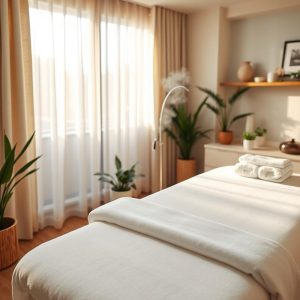
Prepare your space for maximum relaxation with soft lighting, calming music, and a comfortable room temperature. Ensure there is enough space for a massage table and easy access for the therapist.
Communicate Health Needs
Discuss any injuries, chronic conditions, or preferences with your therapist beforehand. Clear communication helps tailor the session to your needs and ensures safety.
Real-Life Case Studies
Case Study 1 – Stress Relief for Remote Workers
Emily, a remote-working software engineer, began scheduling bi-weekly in-home massages through Soothe. After three months, she reported improved posture, reduced back pain, and increased productivity.
Case Study 2 – Senior Wellness
John, age 72, lives alone in Los Angeles. Through Zeel, he receives monthly massage therapy to ease arthritis discomfort, helping him maintain mobility without the strain of clinic visits.
Cost Comparison: Spa vs. In-Home Massage
According to Thumbtack, the average cost of a one-hour professional massage in the U.S. ranges from $70 to $120. Spa massages may incur higher fees due to facility overhead, while in-home sessions typically offer comparable rates but save on travel costs and time. Some platforms provide discounted memberships or packages for regular clients.
Conclusion
In-home massage therapy has transitioned from a luxury to a mainstream health and wellness option. With proven benefits for stress reduction, pain relief, and overall well-being, combined with digital booking convenience, this trend is set to continue its growth in 2025 and beyond. For those seeking flexibility, personalization, and comfort, in-home massage offers a practical and accessible solution. Always rely on licensed professionals and trusted platforms to ensure the highest standards of care.
Disclaimer
This article is for informational purposes only. It does not endorse or provide direct massage services. Prices and availability vary by region. Readers are encouraged to verify all information with licensed professionals and service providers.